Latest
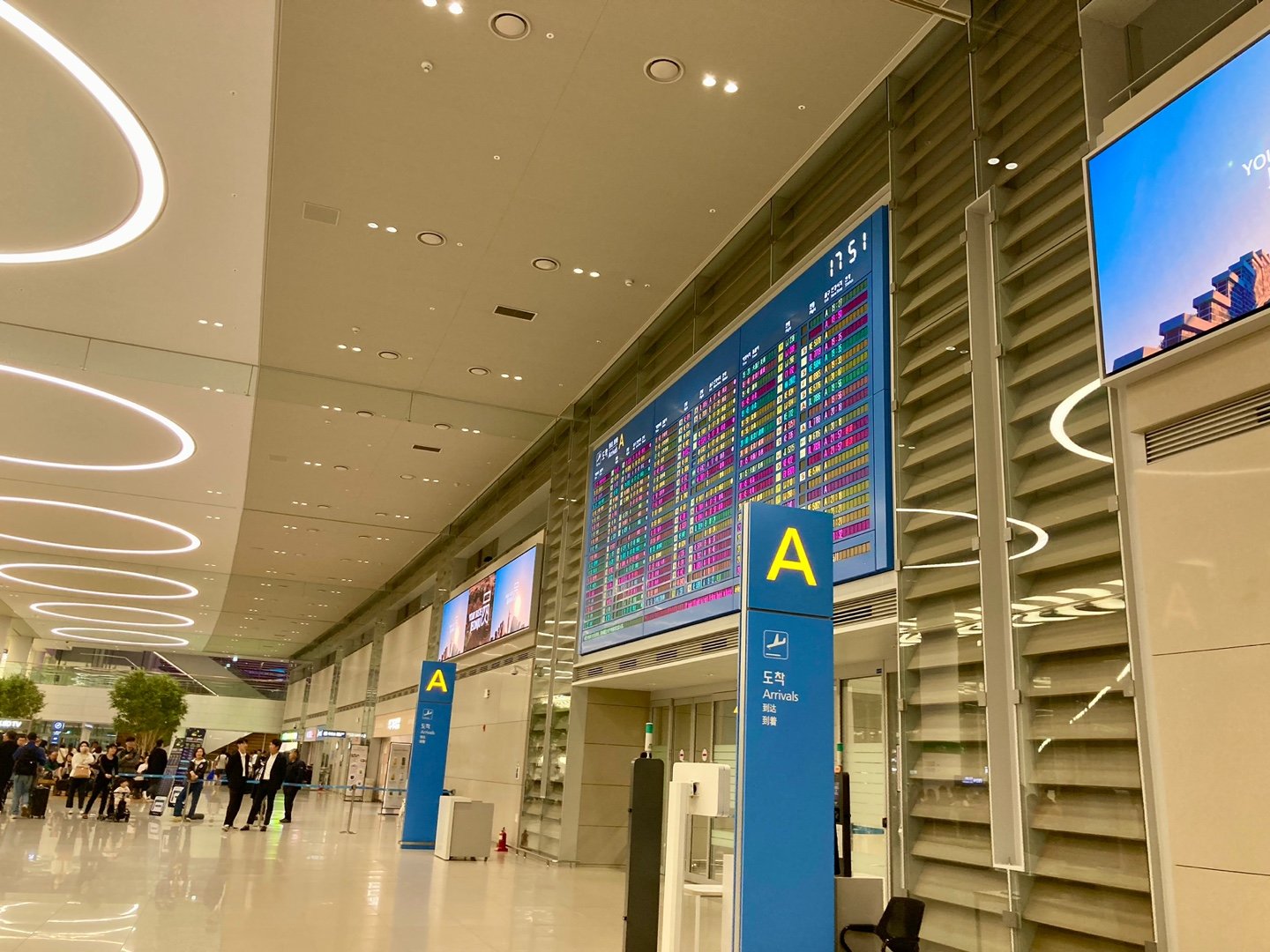 Incheon Airport (ICN) transit tours: T1 and T2
Official free transit tours at Incheon Airport (ICN) T1 and T2: who can join, the 24-hour layover rule, where to register, walk-up seats, and the regular courses with days, times and admission.
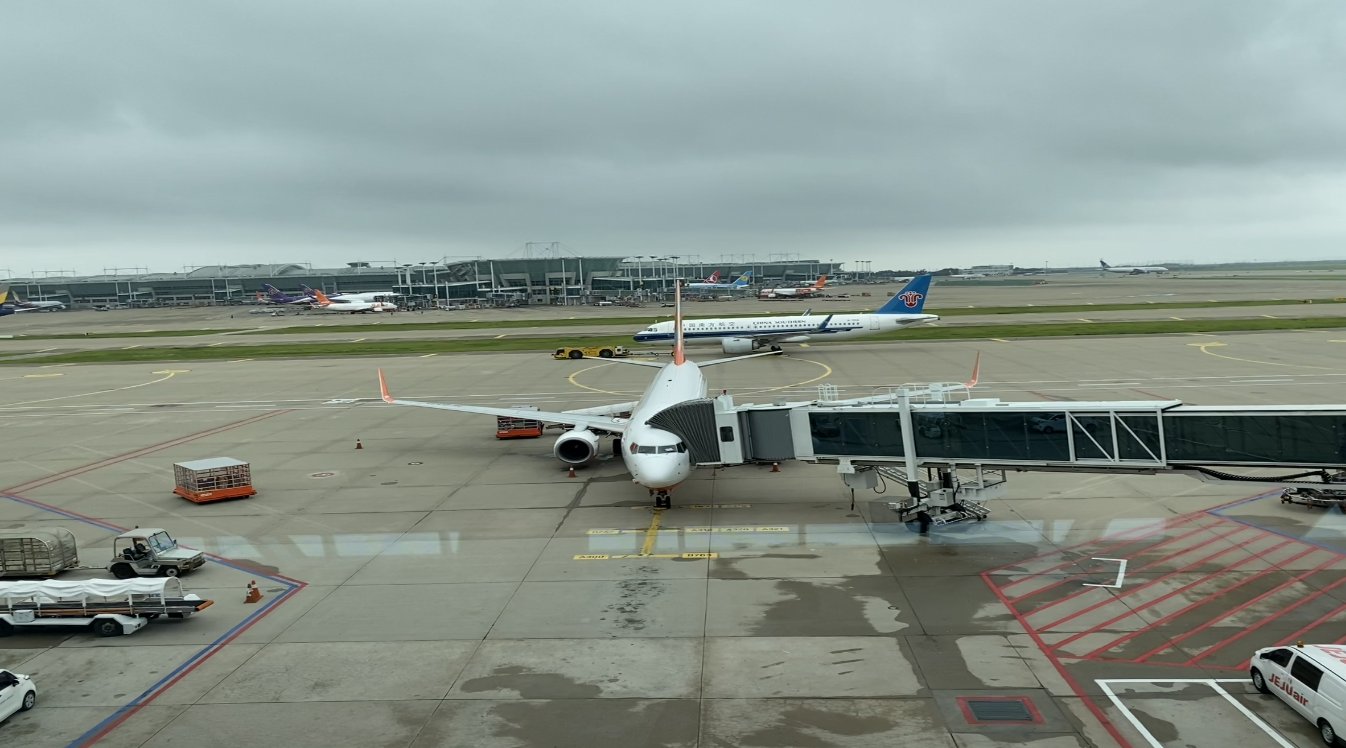 Incheon Airport (ICN) layover: T1 and T2
Incheon Airport (ICN) layover guide for T1 and T2: transfer security, airside lounges and rest areas, transit tours, and how much Seoul time an 8-hour layover gives you.
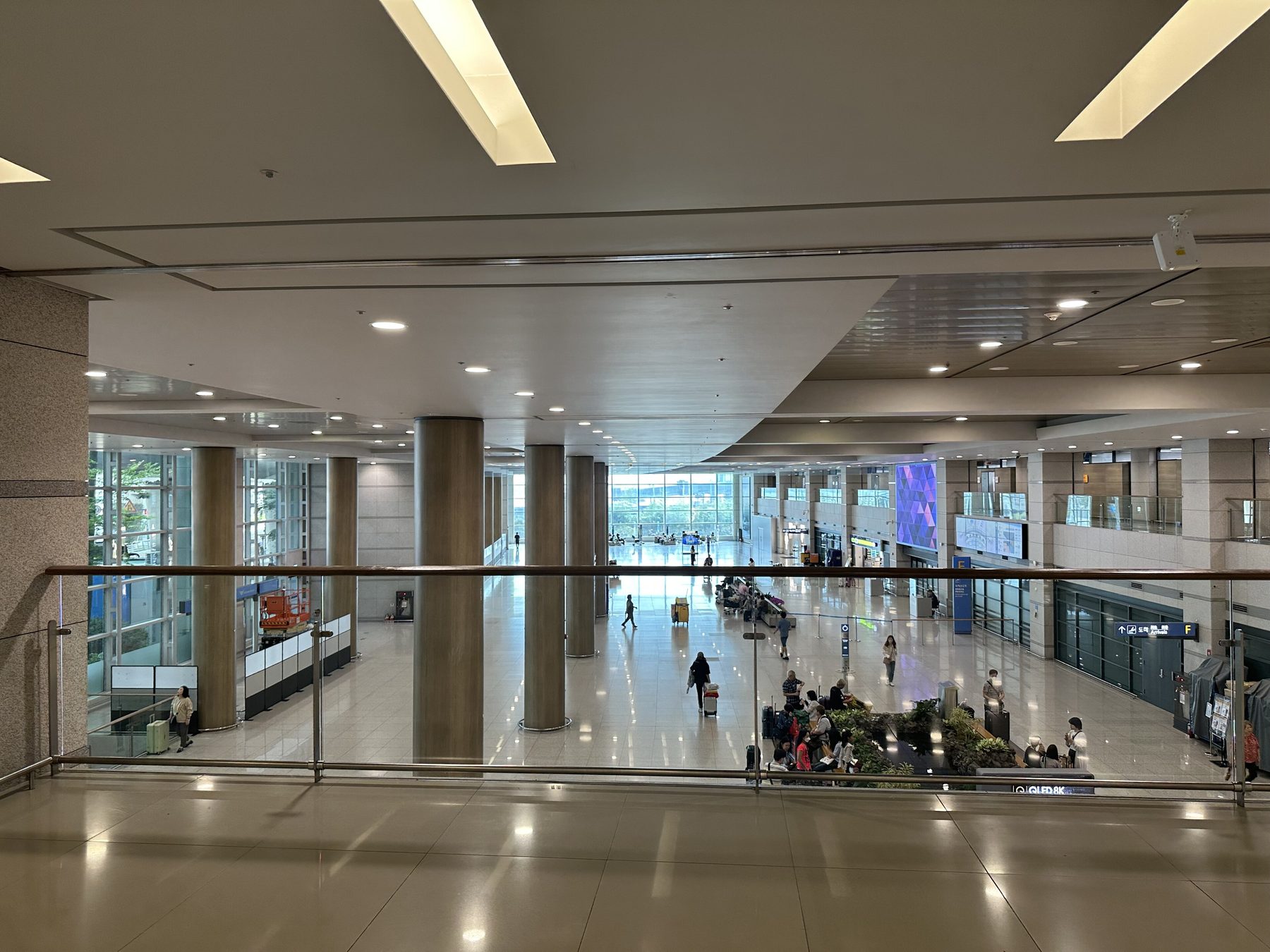 Landing late at Incheon Airport (ICN): getting to Seoul from T1 or T2
Landing late at Incheon Airport (ICN)? Last AREX trains, night buses and taxi stands from T1 and T2, and the overnight gap when no night bus leaves.
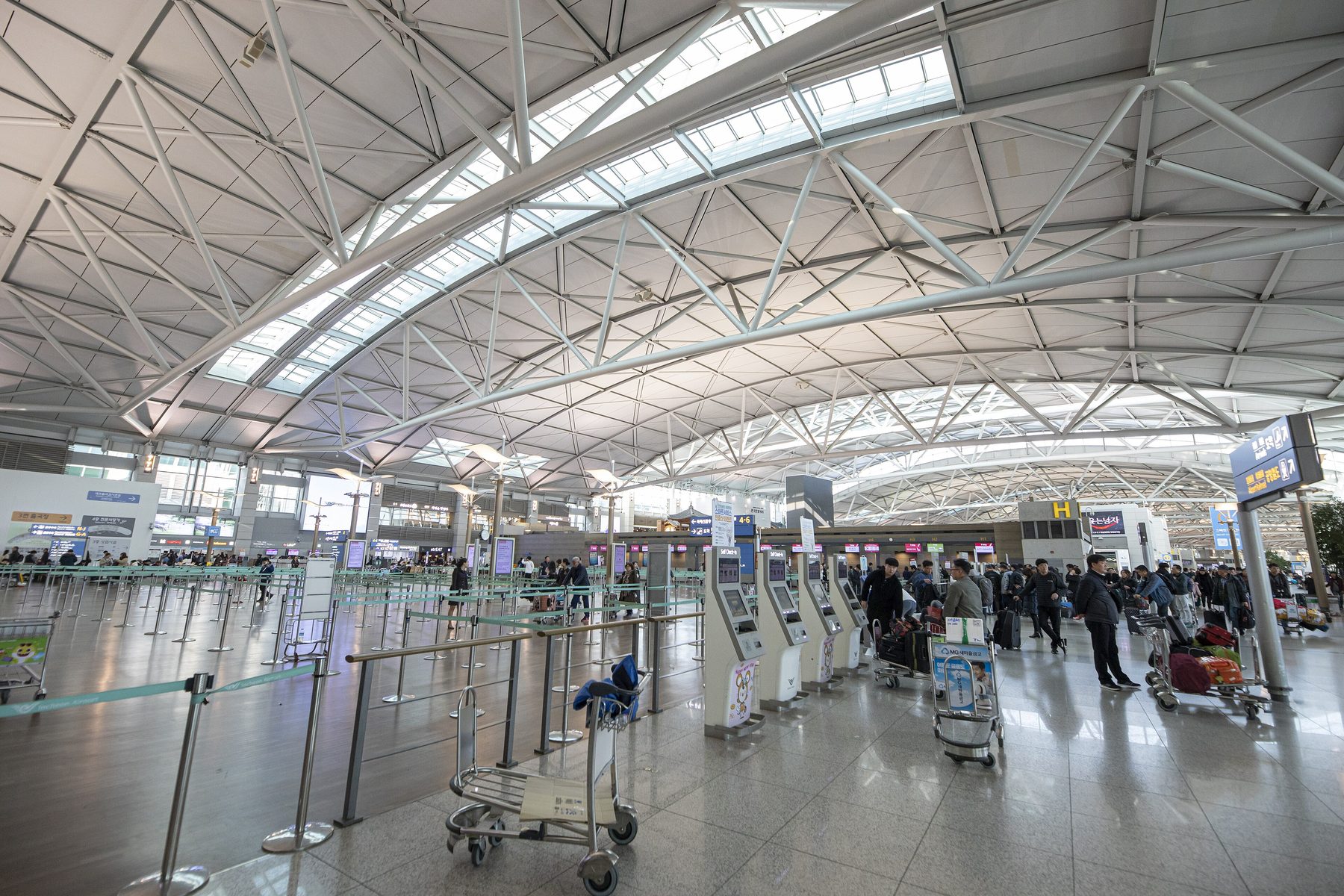 Spending the night at Incheon Airport (ICN): T1 and T2
Spending the night at Incheon Airport (ICN): night-bus gaps at T1 and T2, 24-hour capsule hotels and spas, free airside shower rooms, and where to leave bags.
 JinbuRe (진부Re): Very Good Pudding with a Little Wobble and Local Flavor
A visit to JinbuRe in Pyeongchang: soft pudding, local flavors, and the milk-pudding lid that made me smile.
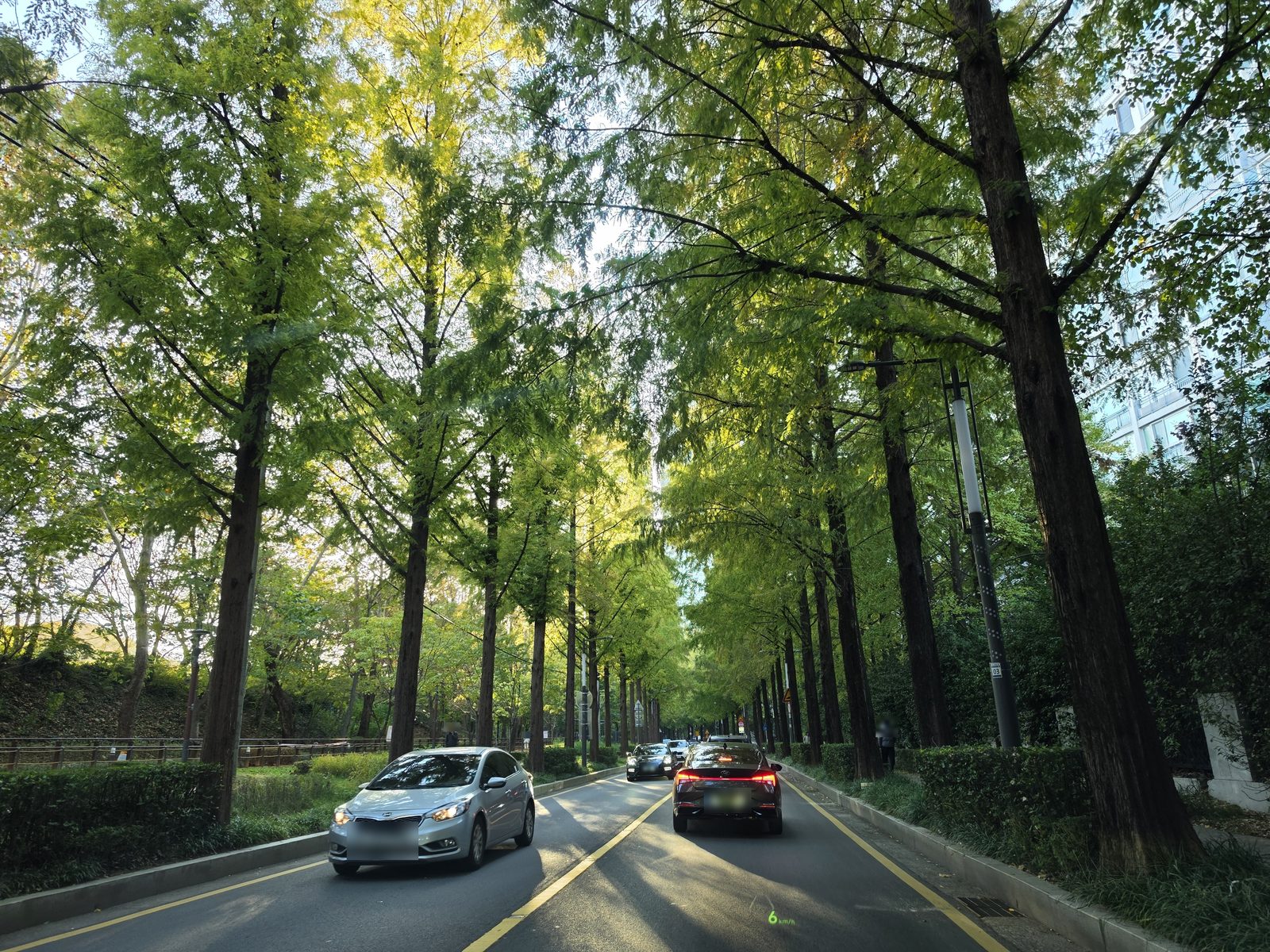
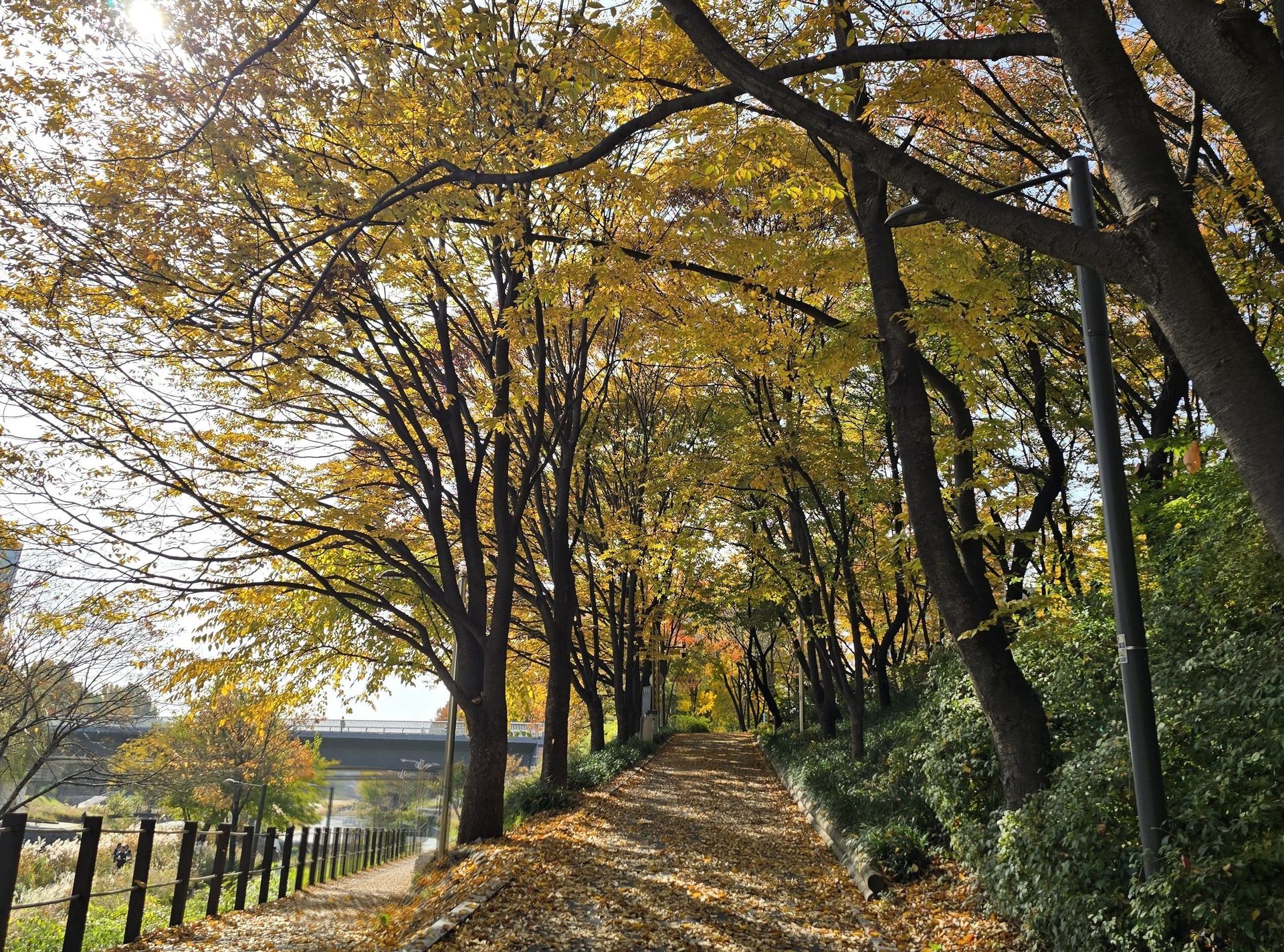
A 2.9 km metasequoia path along Yangjaecheon (양재천) in Gangnam turns cinnamon brown in November. More locals than tourists; Line 3 from Hakyeoul (학여울) to Maebong (매봉).
 The Bangyeri Ginkgo, Just in Time
 — full yellow Nov 6; rapid leaf loss Nov 7 in 11 frames from 07:01–17:01 KST.
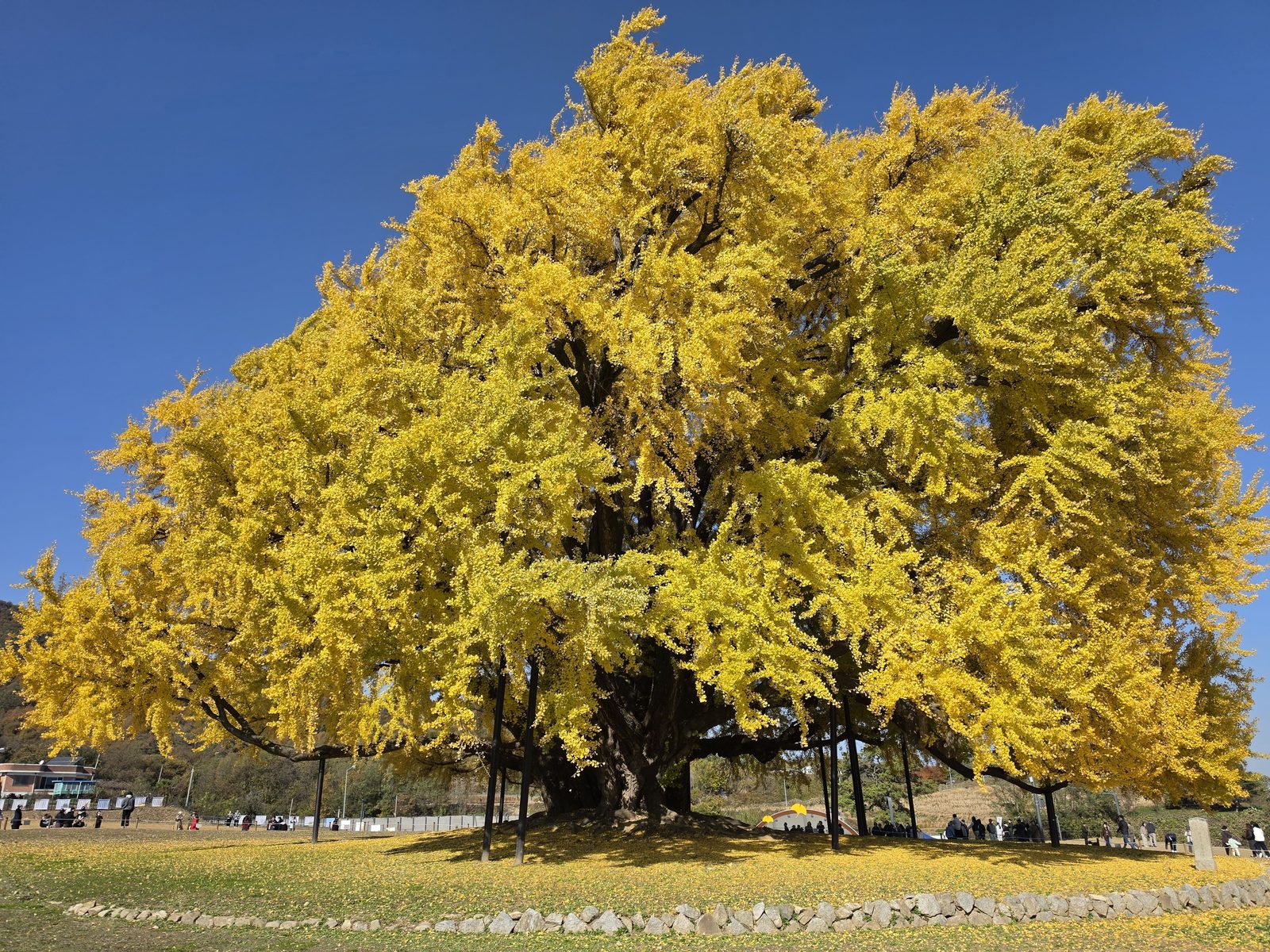
Nov. 6 peak-color visit to the ancient Bangyeri ginkgo, updated Nov. 7 after a reader-shared live-camera view showed exposed branches and a golden leaf carpet.
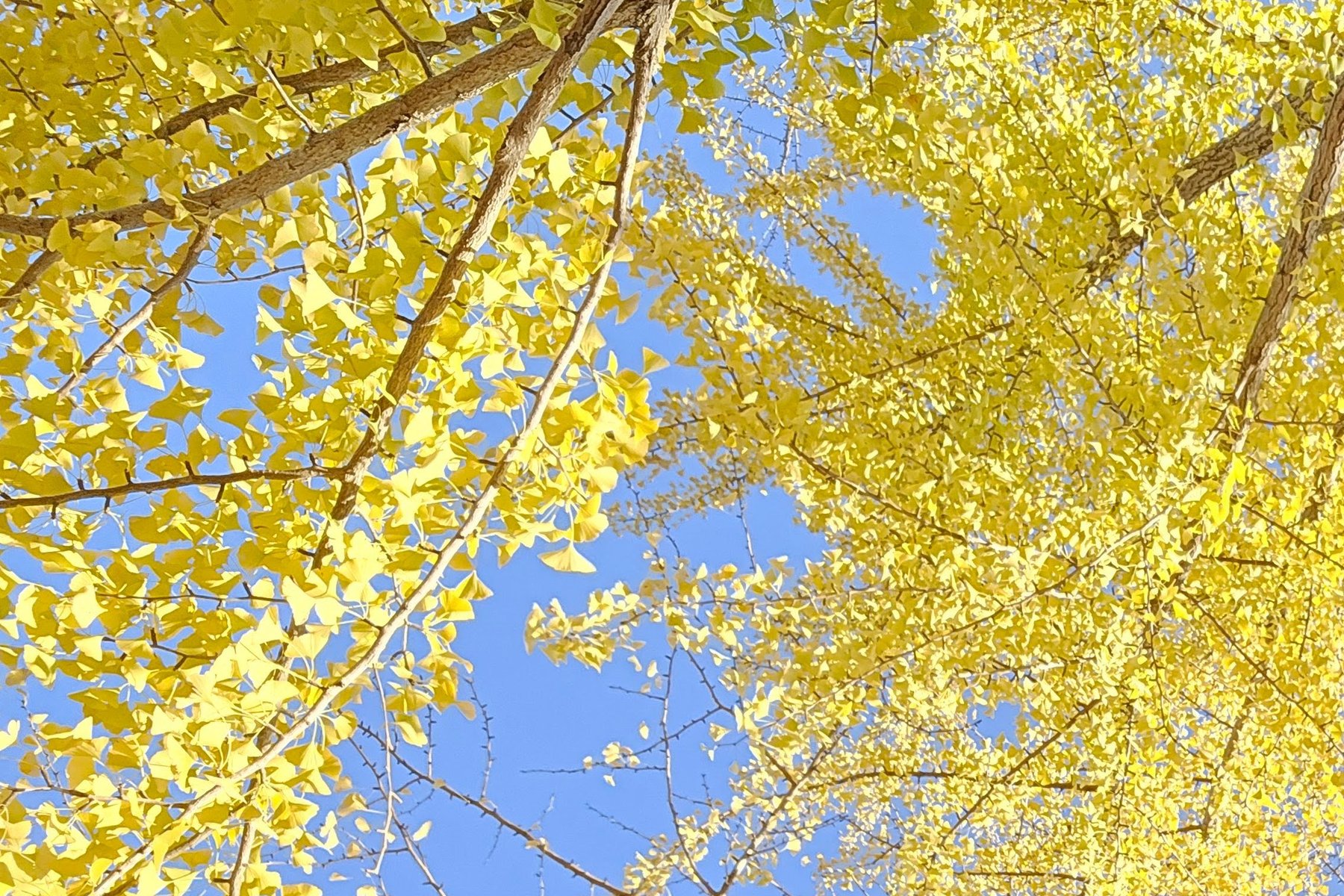
Why Seoul is full of ginkgo, where the smell comes from, whether you can eat the nuts, and what the city does about the seeds.
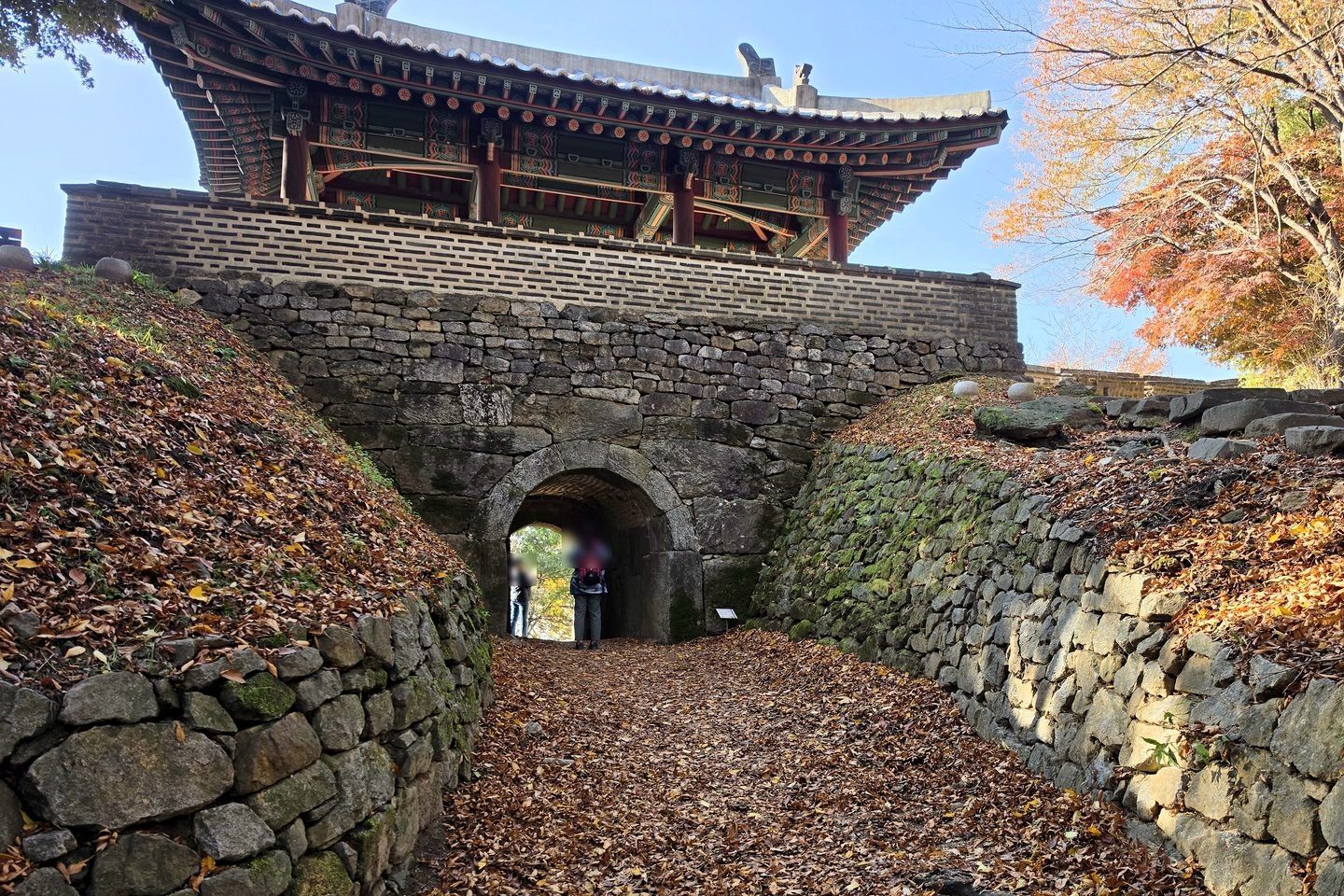
An easy autumn loop along the Namhansanseong fortress wall near Seoul: red woods, the West Gate, Sueojangdae, lunch by the North Gate, and how to get there.
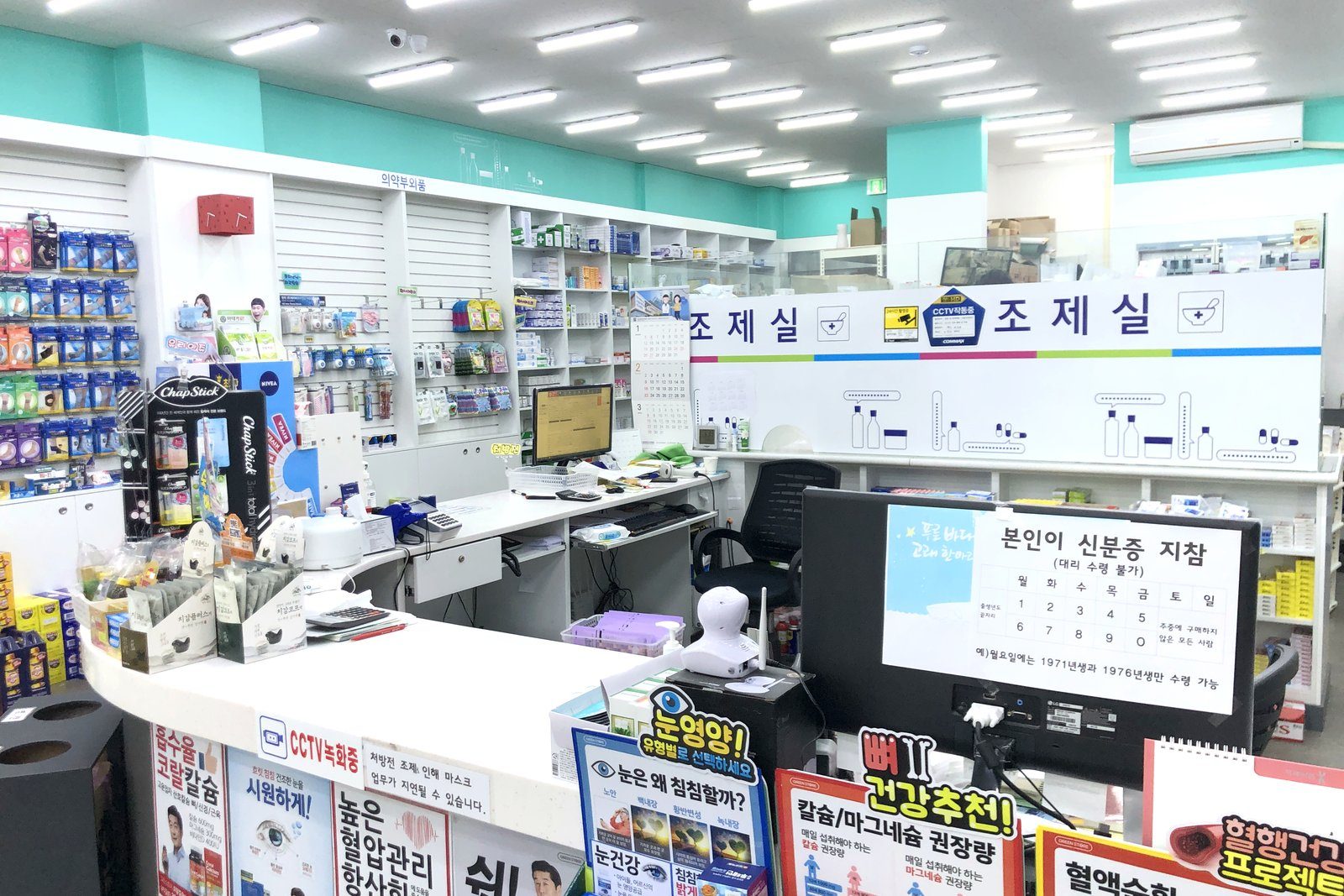
What Koreans do with a cold: a neighborhood clinic, the pharmacy downstairs, what it costs without Korean insurance, after-hours options and when to call 119.
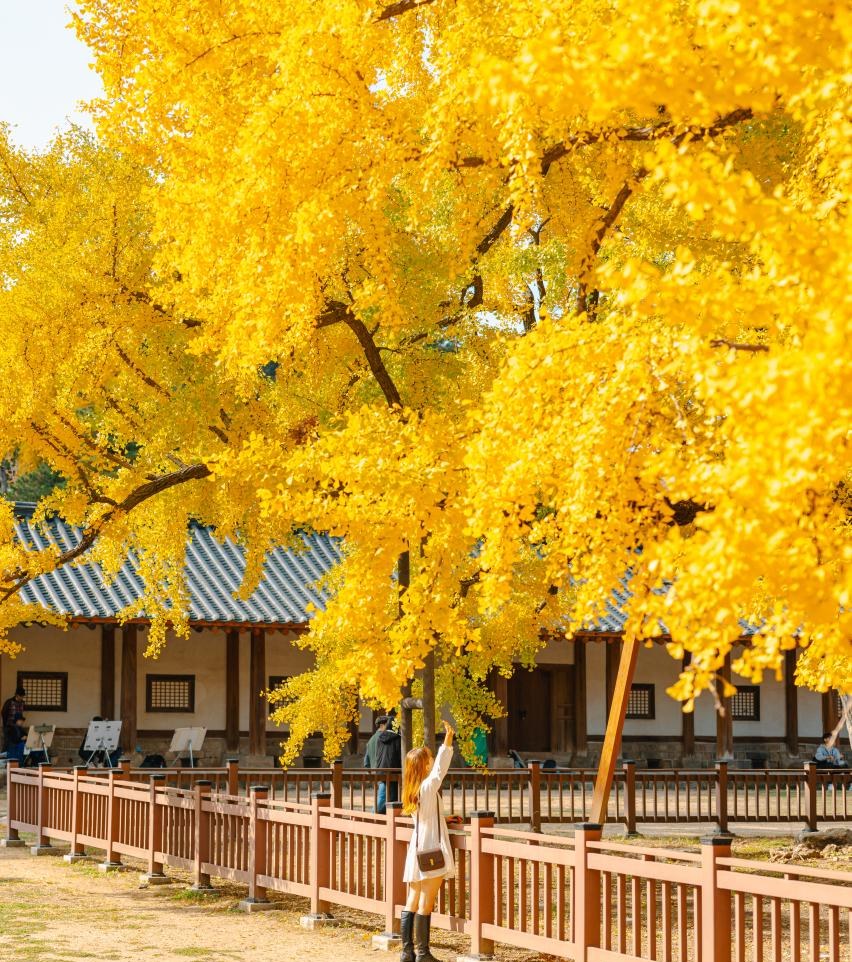
Two Joseon-era ginkgo trees in the Myeongnyundang (명륜당) courtyard at Sungkyunkwan University, a 10–15 minute walk from Hyehwa Station Exit 4.
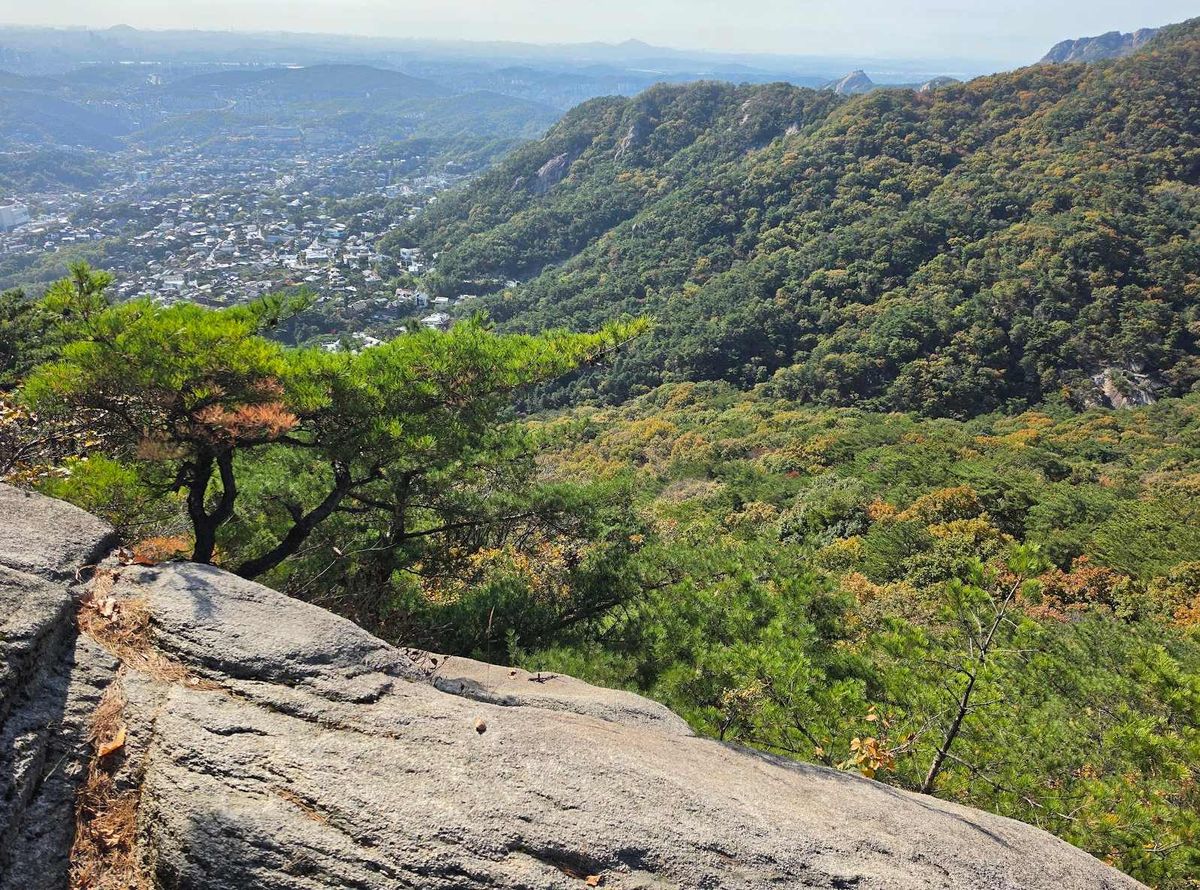
At peak now and reachable by subway: a gentle trail walk to a 12 m lookout tower, and when to go before the leaves drop.
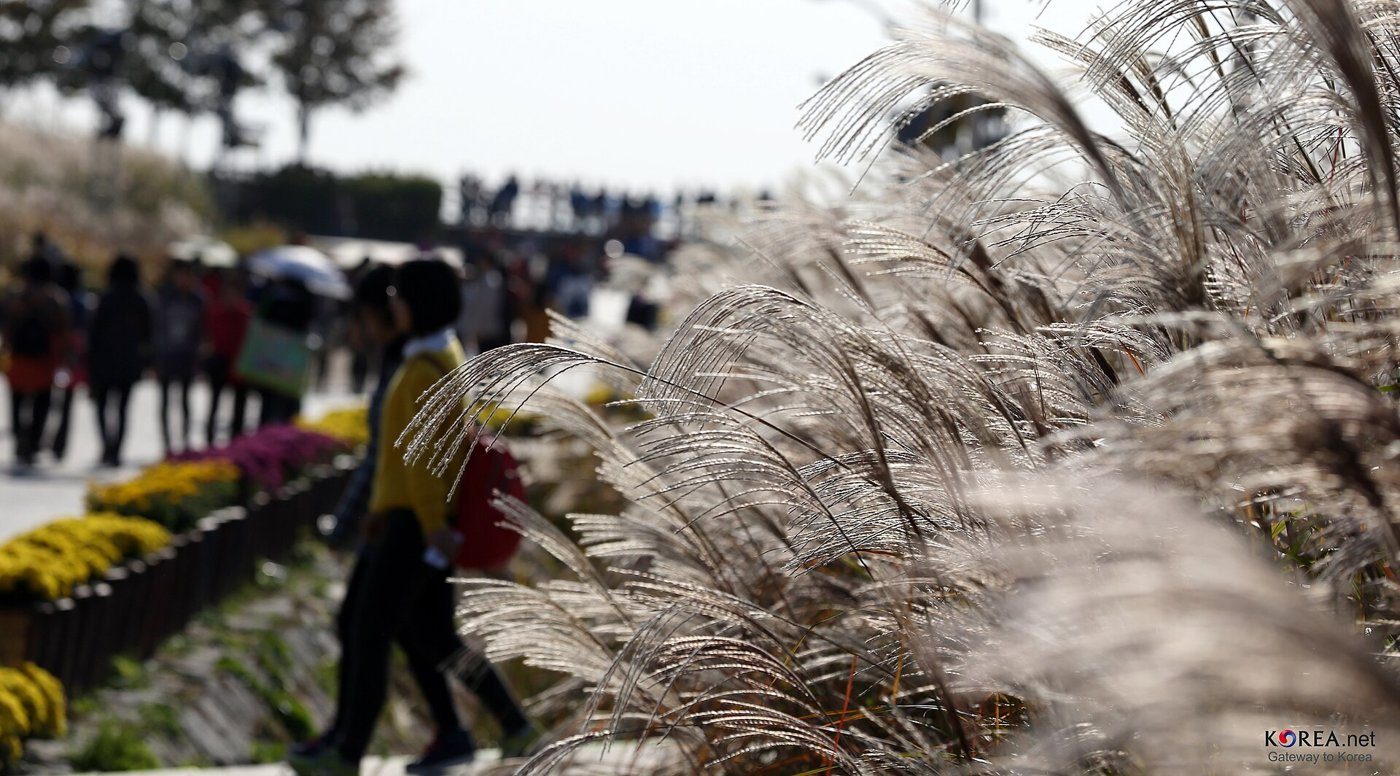
Haneul Park, Siheung Gaetgol, Myeongseongsan, plus Ganwoljae and Sinbulsan near Ulsan — all without a car.
About
I'm a Seoul local, and I've watched the same few streets and palaces fill up while much of the city stays quiet. Most of us have jobs and other things to do, so it's time that's actually short, not places to go or the wish to go. That's why the name begins with Quando, meaning “when.” You wake up on a free day, and there are plenty of places you could go, but which one, today? This site is meant to help answer that question. I share practical tips about quieter places locals use and ways around the crush at popular sights. It's what I'd tell a friend.
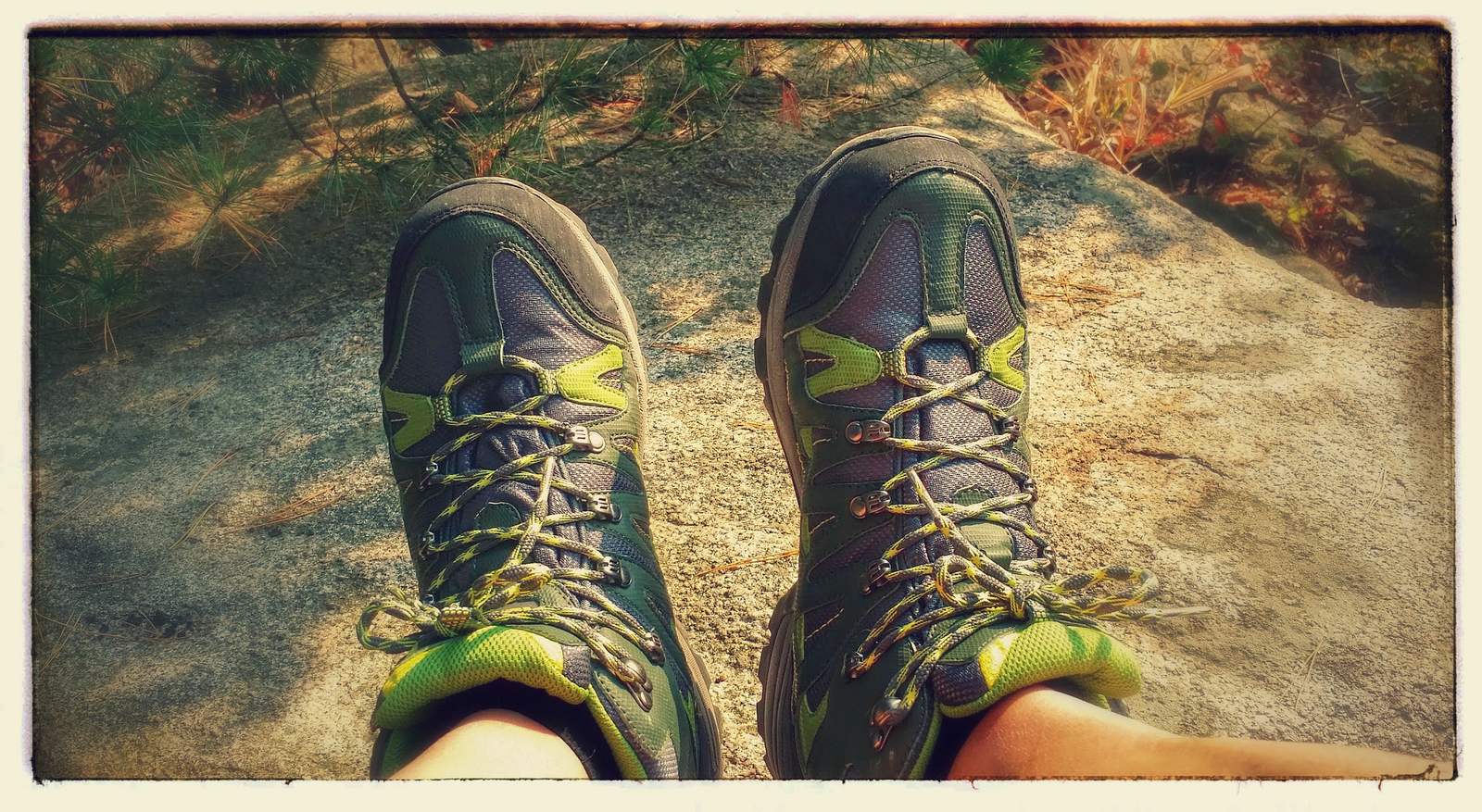
Crowds vs. quiet
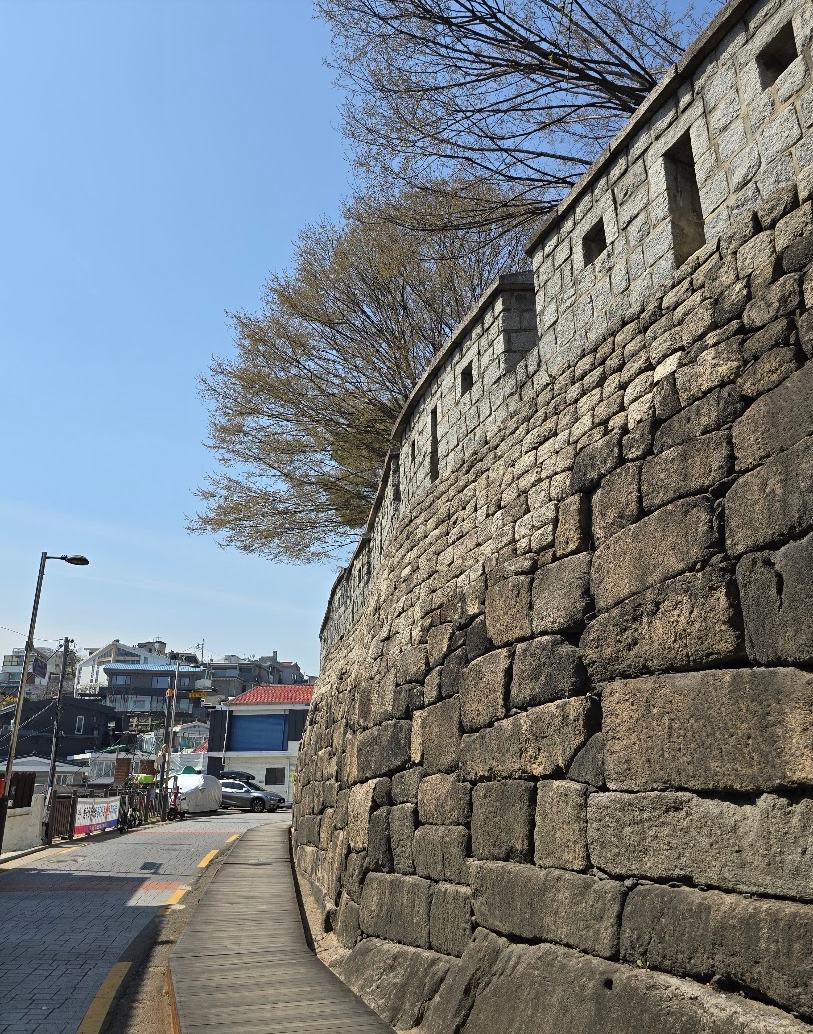
Same city, same afternoon plans — one photo is packed Bukchon, the other a quiet alley by the Seoul City Wall trail in Jangchung-dong. Very different experiences, and both are Seoul.
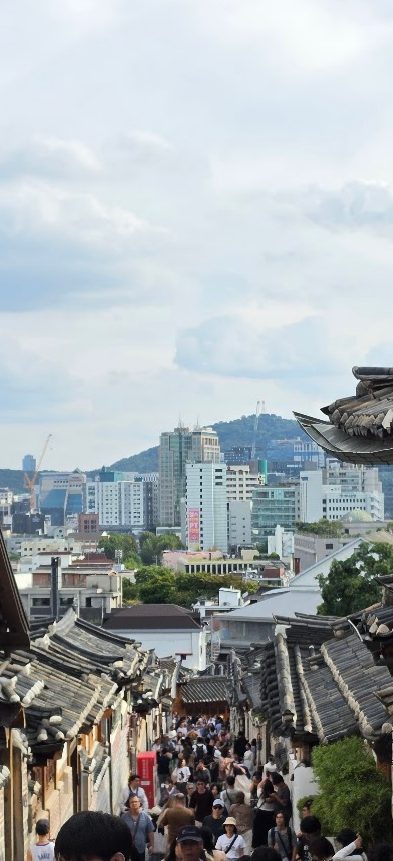
Free download
Korea Without a Korean Phone Number — Quick Start
A short, plain guide to getting around Korea when you don't have a Korean phone number. It's free, and it covers the things I'd want a friend to know before they land.
Sign up with your email and I'll send it over.
Newsletter coming soon.
Coming soon
Seoul Subway Hikes
A guide to hikes you can reach by subway, with routes, how to get there and back, and where locals eat afterward. No car, no tour bus, no guesswork. In the meantime, the free quick-start guide above is a good place to begin.
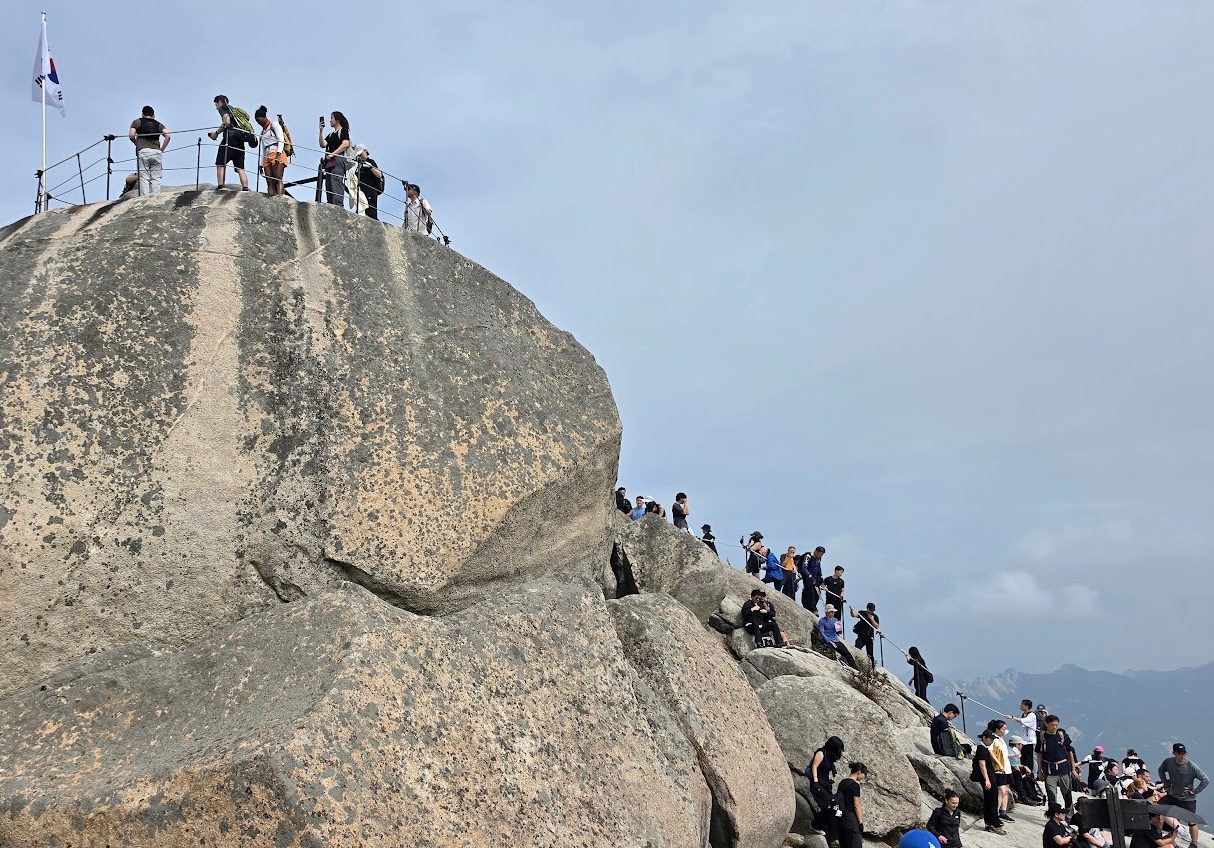
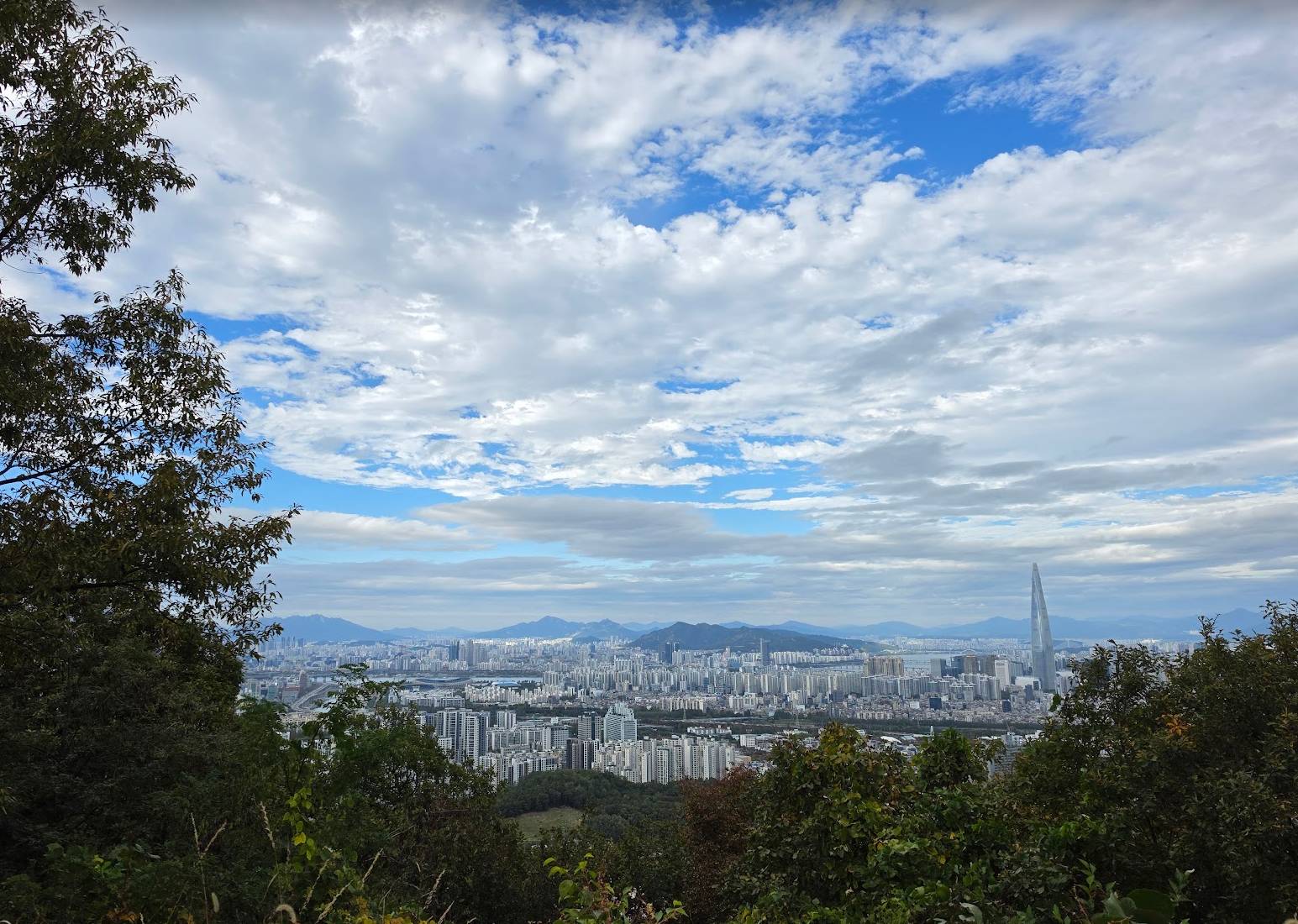
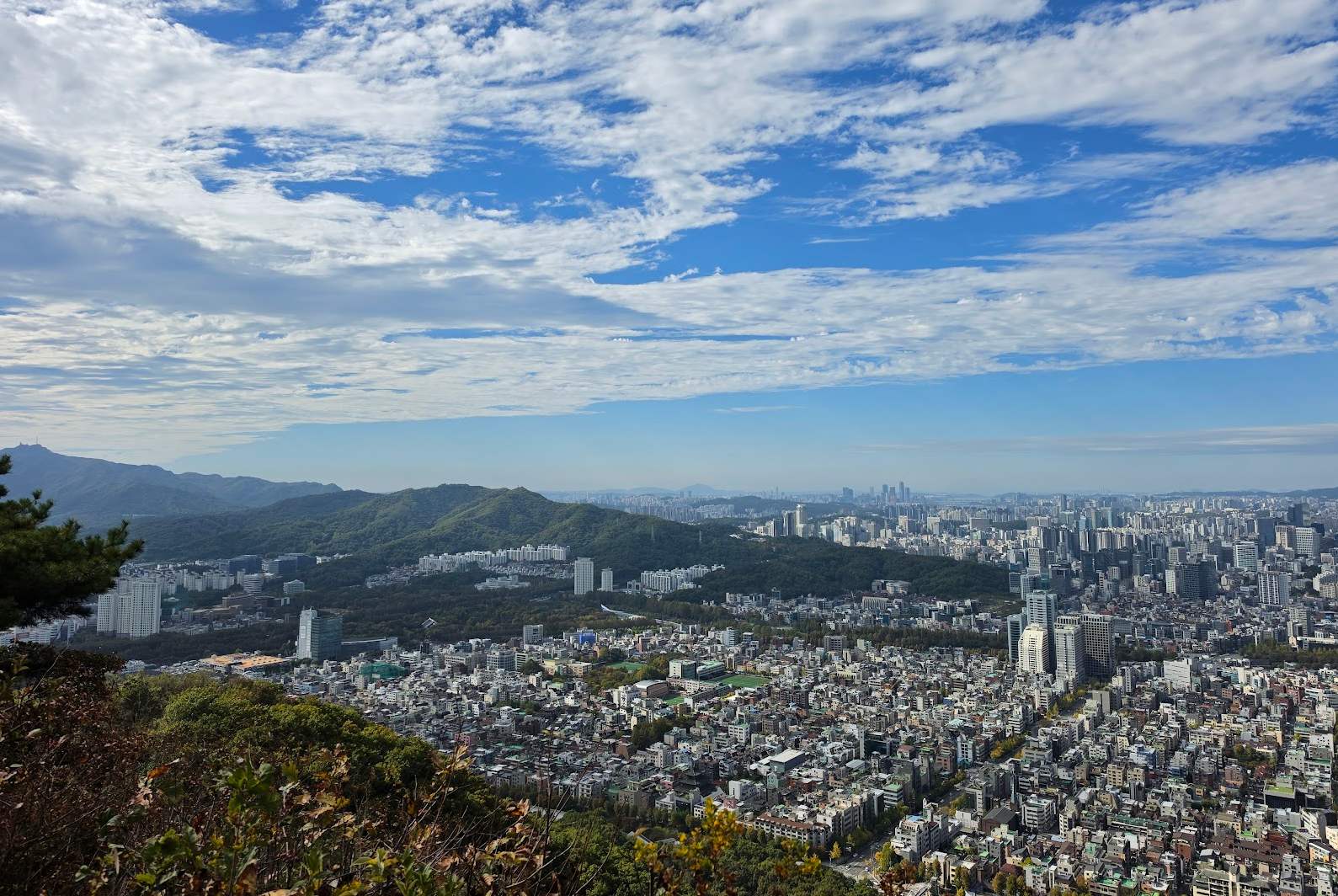
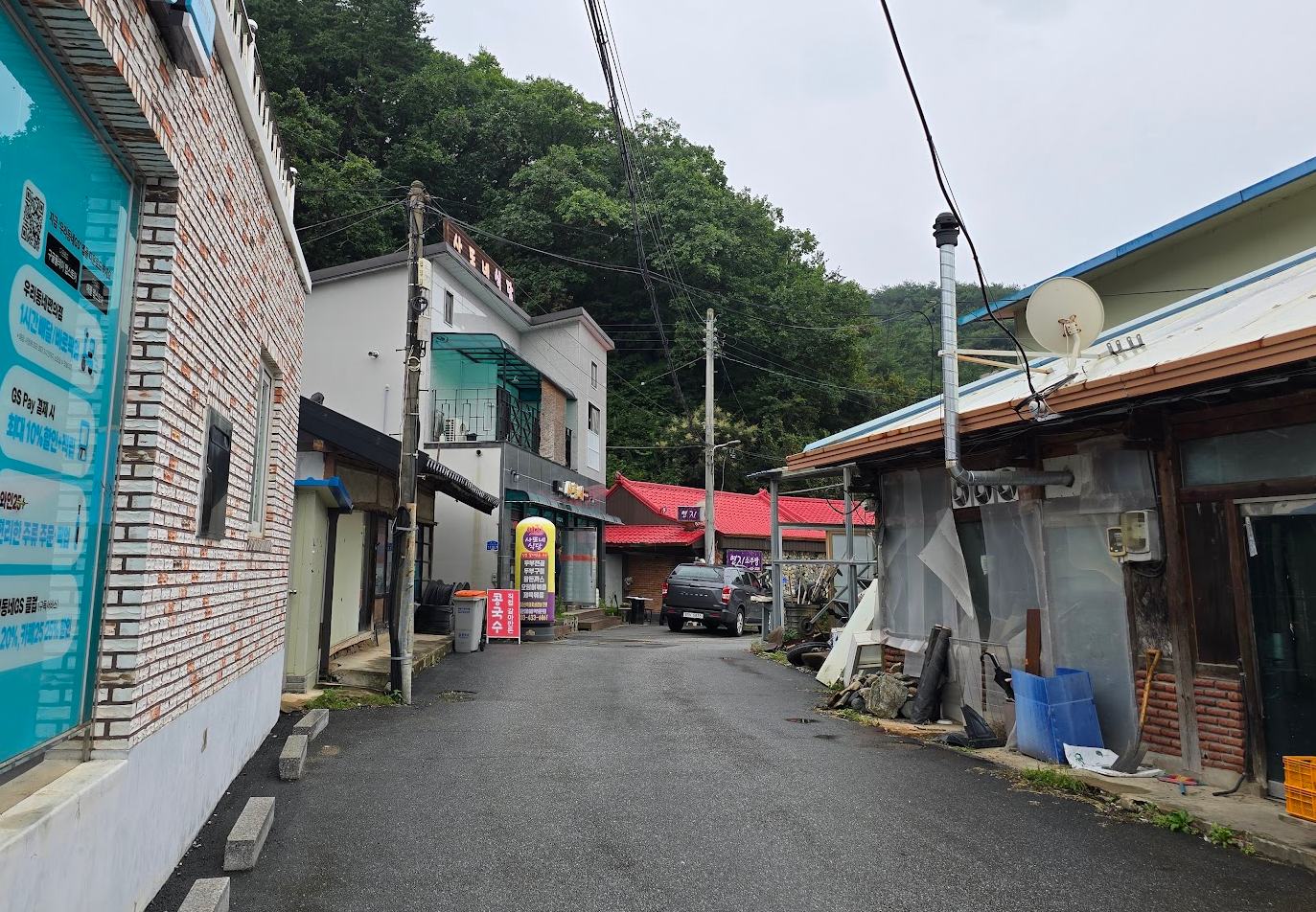
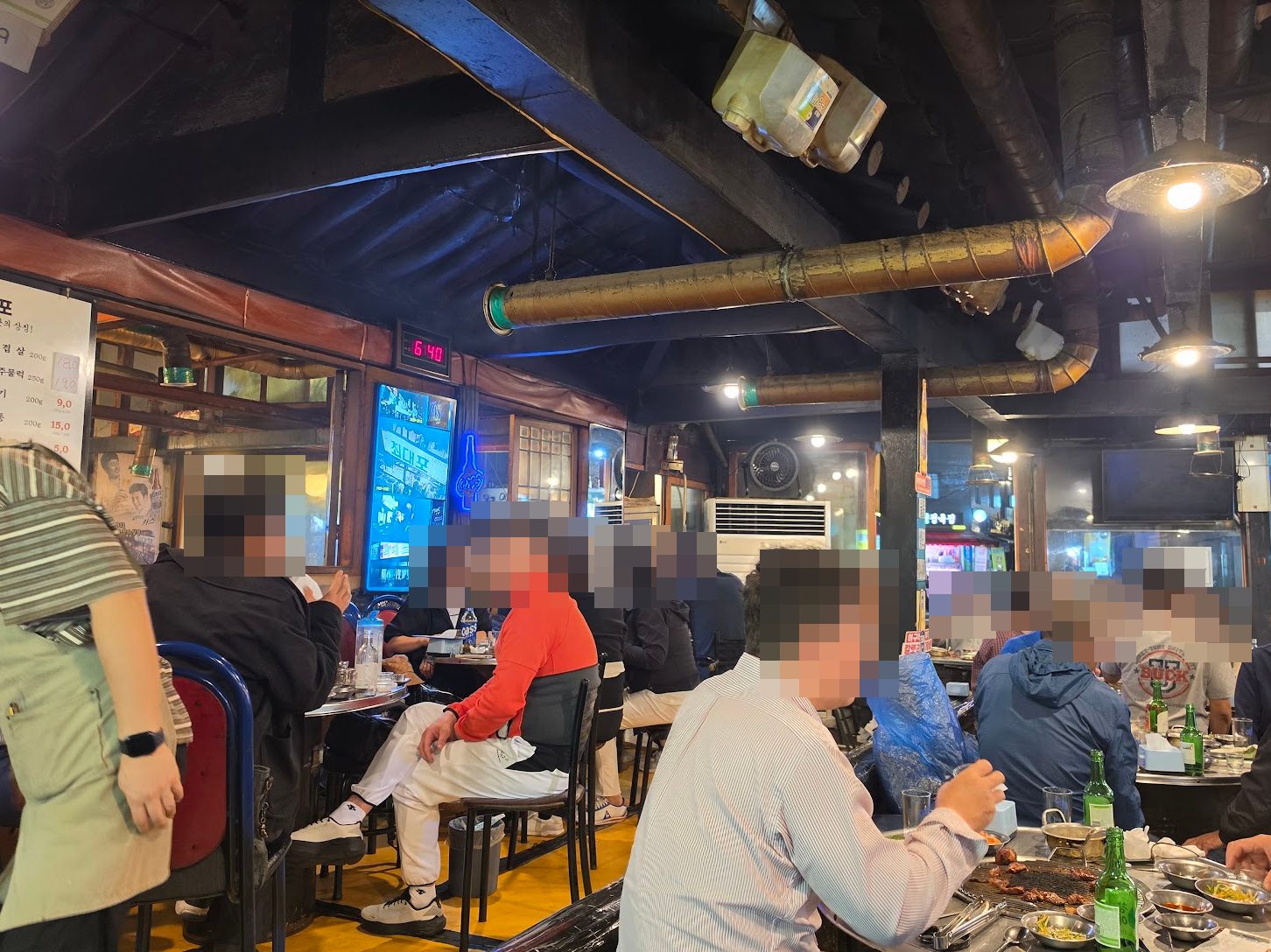
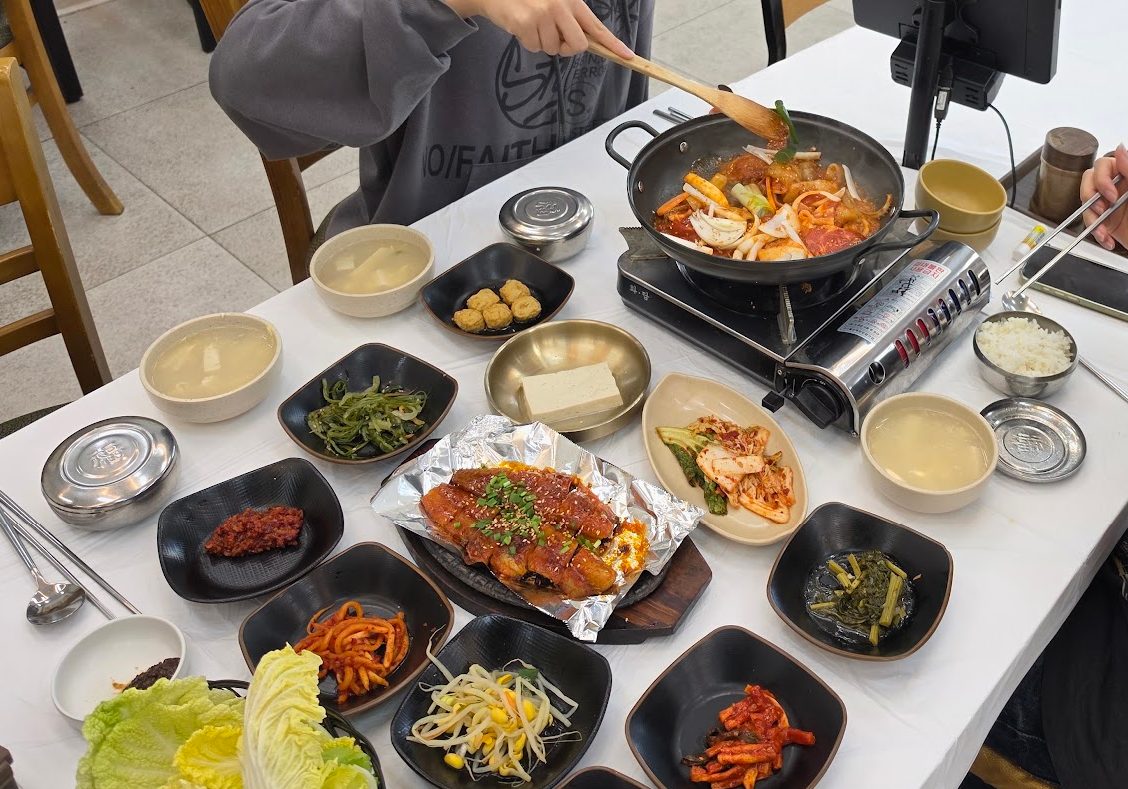
After the hike, locals eat at neighborhood places — a samgyeopsal (삼겹살) spot, or a typical Korean table: two mains and a spread of banchan.
Beyond Seoul