Autumn · Nov 3, 2026
The Myeongnyundang ginkgo (명륜당 은행나무) at Sungkyunkwan University (성균관대학교)
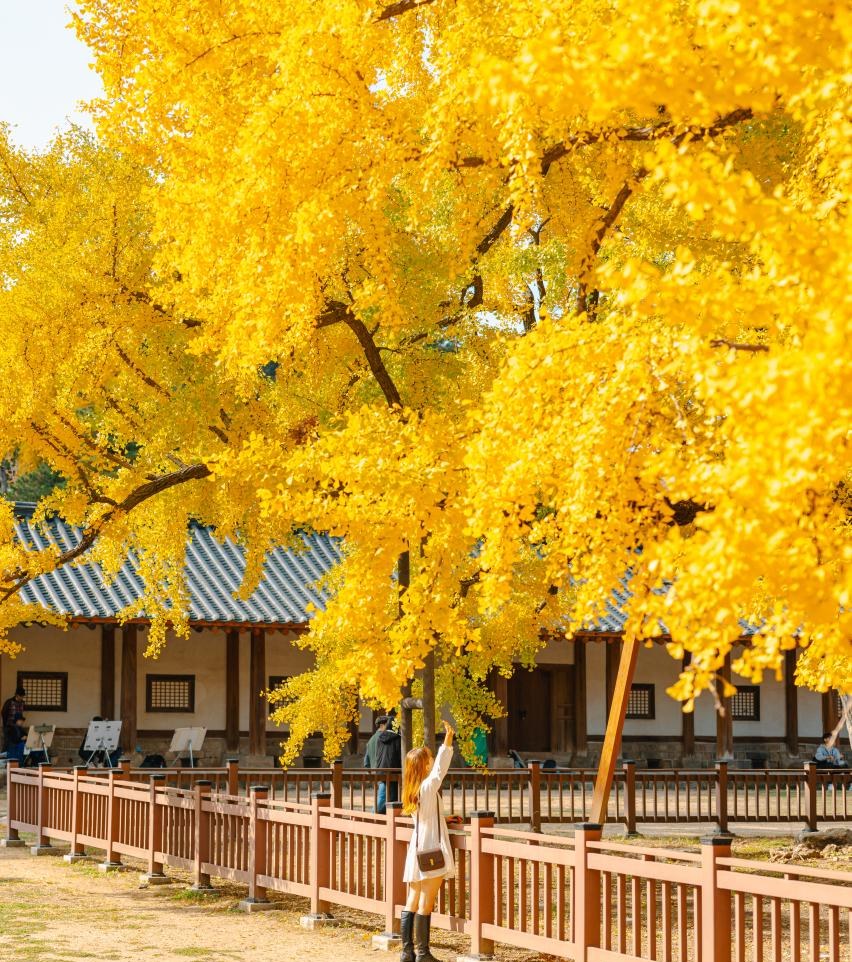
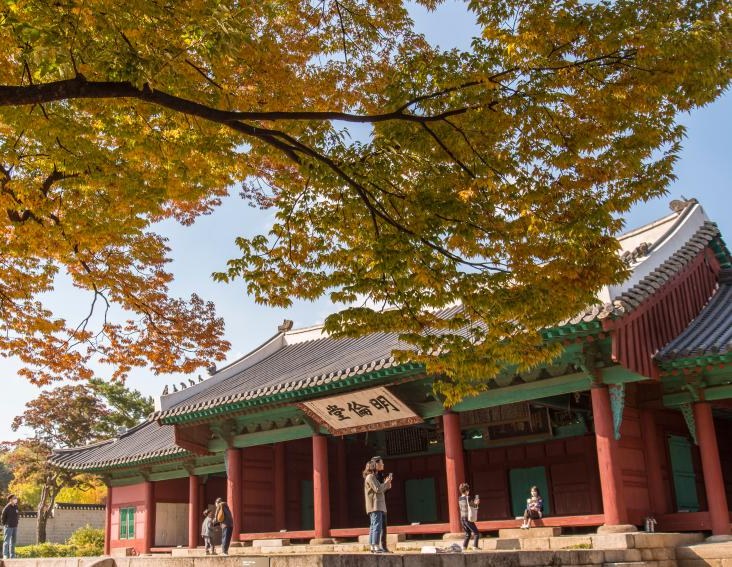
Sungkyunkwan University (성균관대학교) grew up around Sungkyunkwan (성균관), the Joseon (조선) state academy, and the old academy still stands just inside the main gate: Seoul Munmyo (서울 문묘), the Confucian shrine founded in 1398, and Myeongnyundang (명륜당), the hall where its students had their lectures. Two ginkgo trees stand in the courtyard, about 10 m apart, and in a good week they turn it a yellow so loud it looks edited.
The trees
The one on the entrance (east) side has been Natural Monument No. 59 (천연기념물 제59호) since 1962. It is about 21 m tall, and its longest branches rest on wooden props. Yun Tak (윤탁), head of the academy, is said to have planted it in 1519. It came through the Imjin War (임진왜란), which burned down the hall behind it, so a weekday crowd of phone cameras is not going to trouble it.
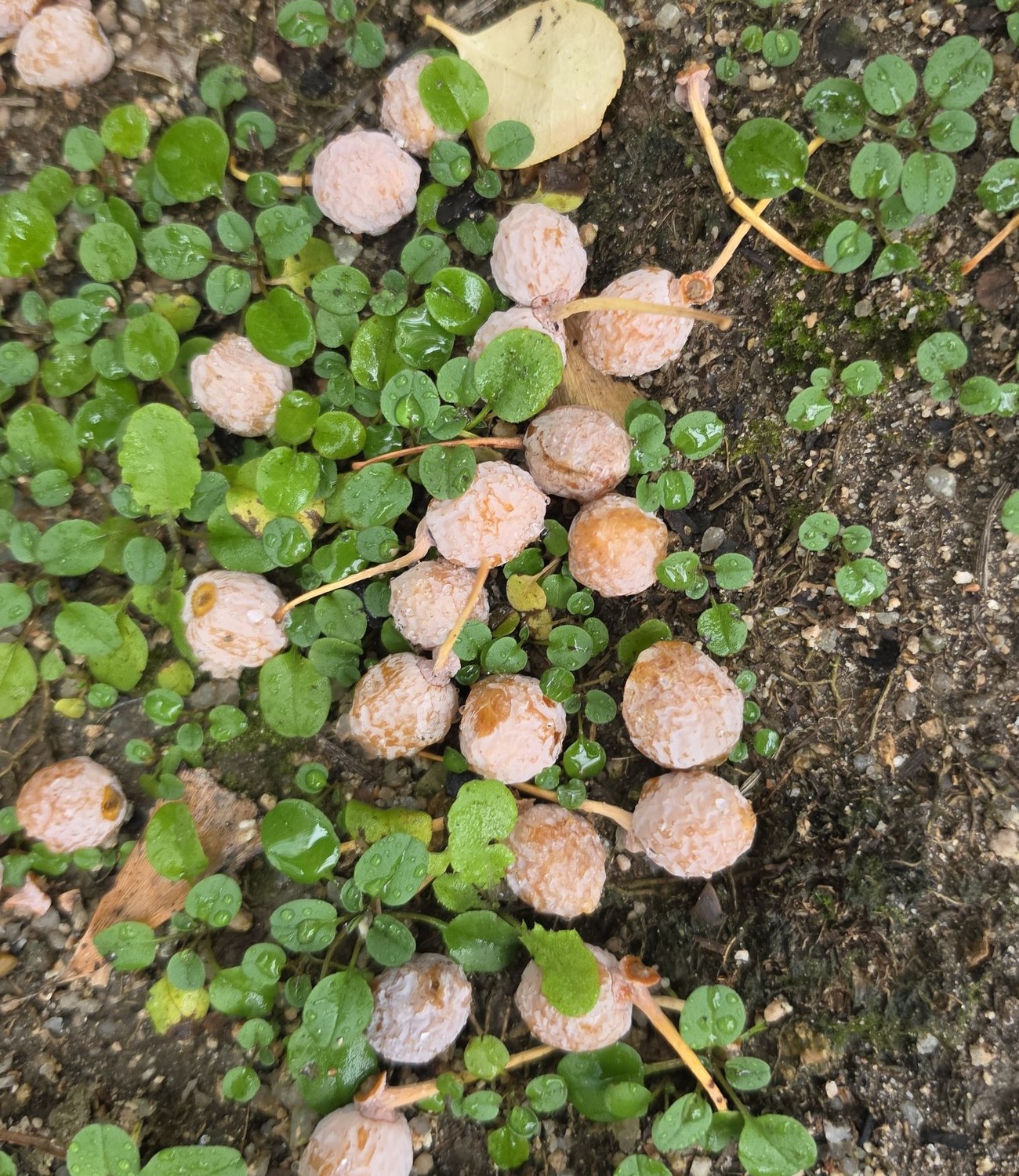
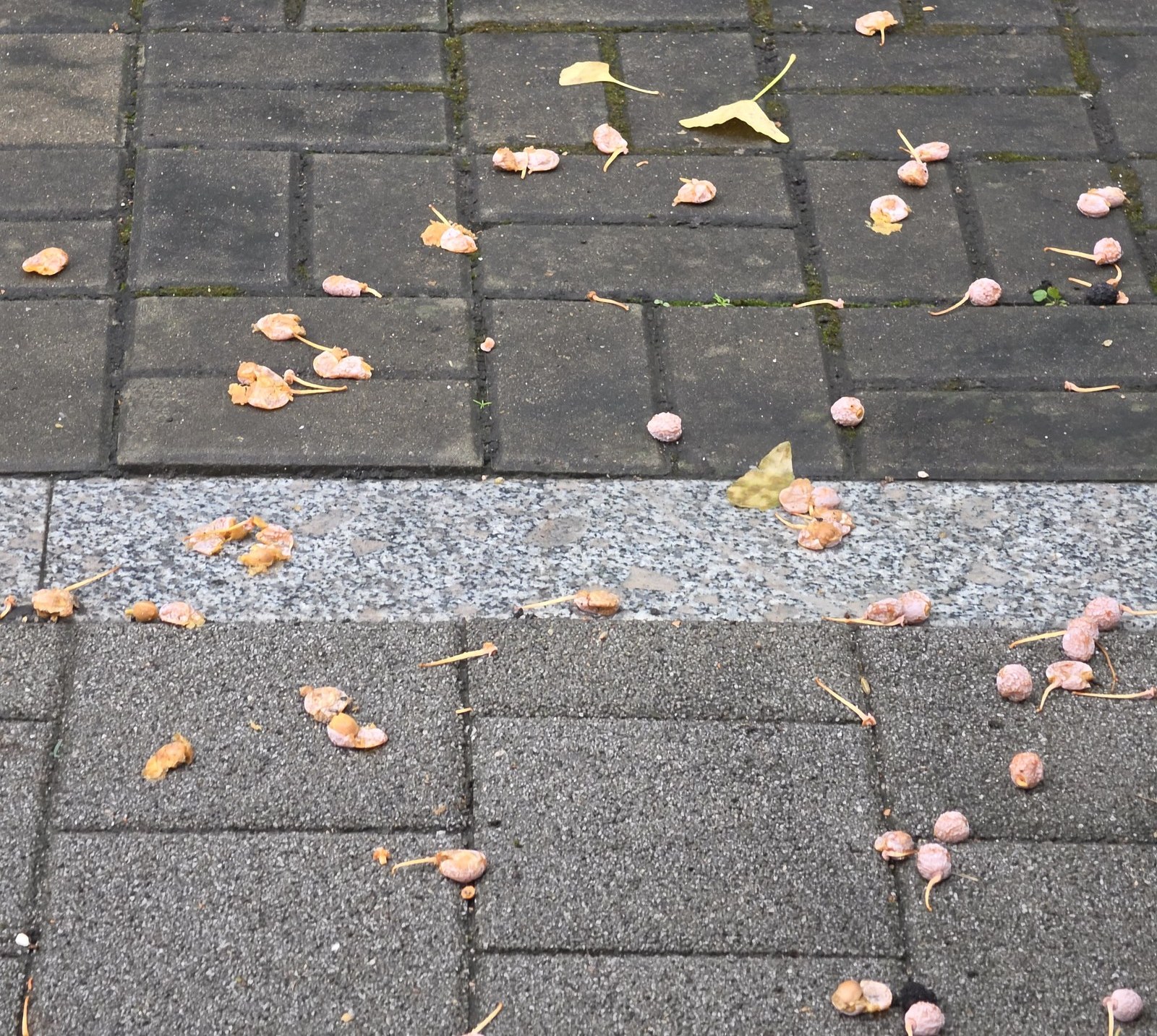
Most ginkgo old enough to be a Natural Monument are female. This one is male, and so is its neighbor, which means no fruit. Anyone who has walked a Seoul (서울) pavement in November knows why that matters.
Confucius is said to have taught under a ginkgo, so Korea's Confucian academies planted them, and the university took this pair as its symbol tree. Students still sit here between classes; visitors are welcome. Entry is free, and from November to February the hall is open 09:00–17:00.
When to go
This week. Seoul's ginkgo are all over the place right now: some still have a tinge of green, some are full canary yellow, some are already dropping, and two trees on the same street can look like different seasons. Ginkgo lets go of its leaves fast once it turns, so if you want the courtyard gold, don't save it for next weekend.
Getting there
Leave Hyehwa Station (혜화역) by Exit 4 (4번 출구), the one the university itself sends people to, and walk up to the university's main gate (성균관대학교 정문). Seoul Munmyo (서울 문묘) is on your right (north) as you reach it, and the trees are inside. Trees: Naver Map · Google Maps
| From | Line 4 (4호선), no transfer | Door to door |
|---|---|---|
| Seoul Station (서울역) | about 12 min | about 30 min |
| Myeong-dong (명동) | about 8 min | about 25 min |
Afterwards, walk back into Daehak-ro (대학로), the neighborhood around Hyehwa Station (혜화역). The name means "university street" and sounds like a student hangout, but it works for any age and most tastes: small theaters, bars, cafes and Marronnier Park (마로니에공원).